Not every coloring page should look the same. A three-year-old needs big, simple shapes. A seven-year-old wants more detail. That is why ColrPage lets you choose a style when you generate a drawing, so the result matches the child who will be coloring it.
Right now there are twelve styles to choose from, grouped into three categories: basic, creative, and learning. Here is what each one brings to the table.
Basic styles
Classic (toddler, preschool, school-age) gives you clean black outlines on a white background — the traditional coloring page look that works for every age.
Bold (toddler, preschool) uses outlines three to four times thicker than normal, with rounded corners and simplified shapes. Much easier for small hands to stay inside the lines.
Dashed (toddler, preschool) replaces solid lines with short strokes and gaps, turning the page into a tracing exercise for kids working on pencil control.
Creative styles
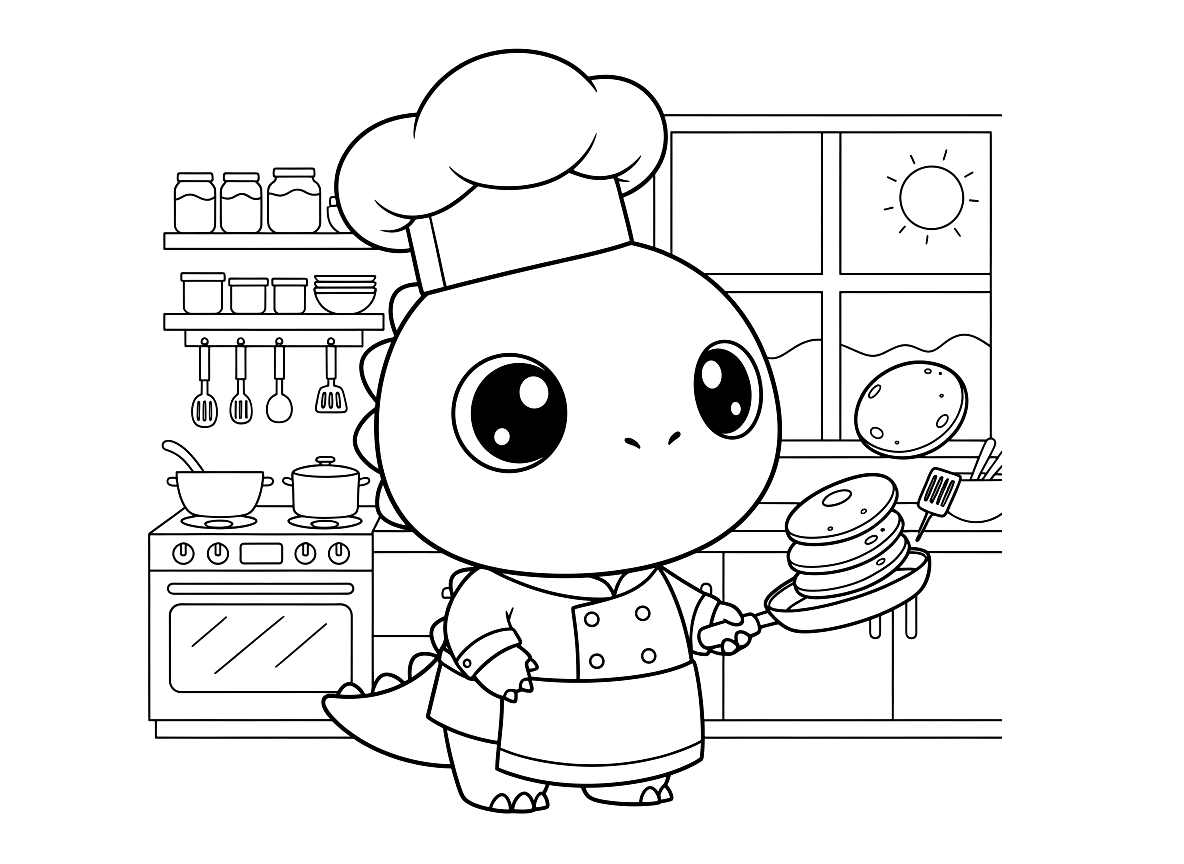
Cartoon (toddler, preschool, school-age) exaggerates proportions, adds expressive eyes, and gives everything a bouncy, playful feel. The drawings look like characters from a favorite show.
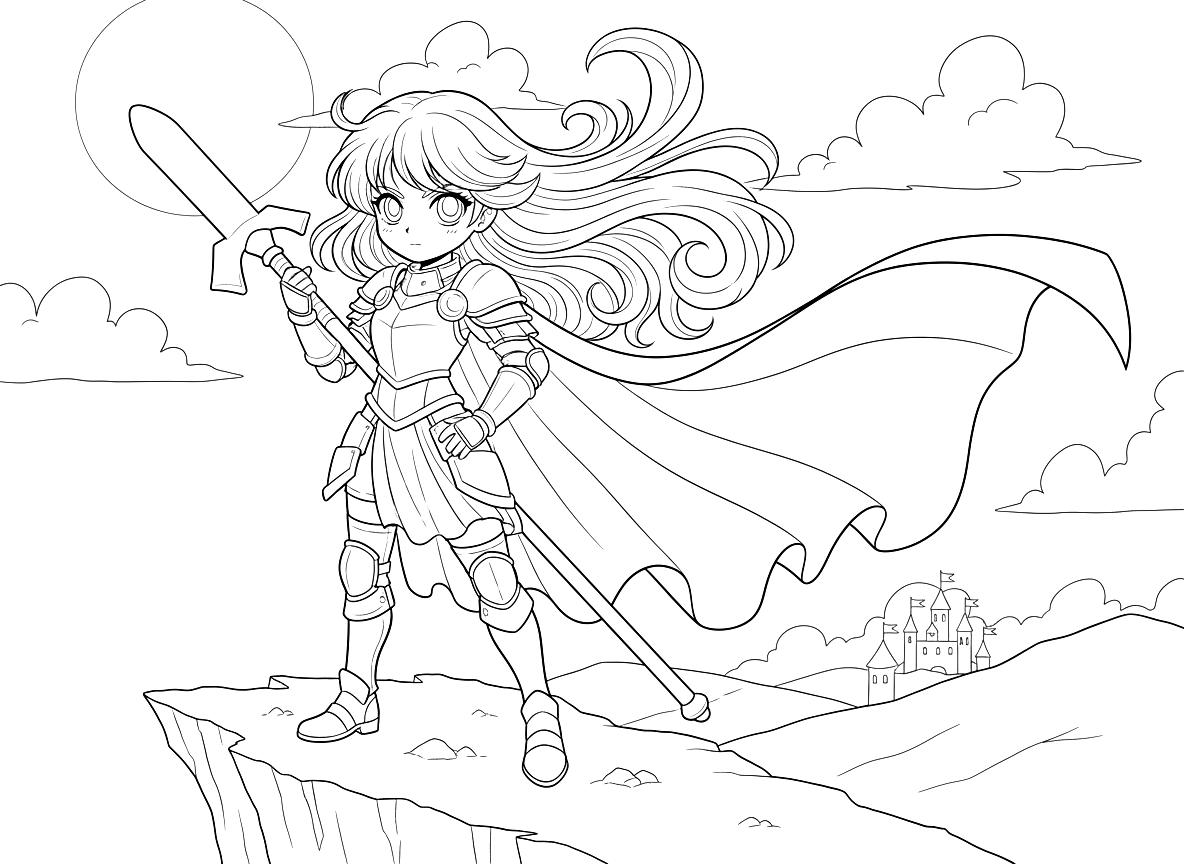
Manga (preschool, school-age) is inspired by Japanese comics — flowing hair, detailed eyes, and dynamic poses that make every subject look like it belongs in an anime.
Kawaii (preschool, school-age) simplifies everything into tiny, round shapes with minimal detail — the Japanese “cute” aesthetic that kids find irresistible.
Chibi (preschool, school-age) gives characters oversized heads and stubby limbs. The exaggerated proportions make every drawing look adorable and fun to color.
Mandala (school-age) creates symmetrical circular patterns built around the subject. It requires patience and focus, making it a meditative activity for older kids.
Zentangle (school-age) fills the subject’s silhouette with varied decorative patterns. Like mandala, it is a good fit for children who want more of a challenge.
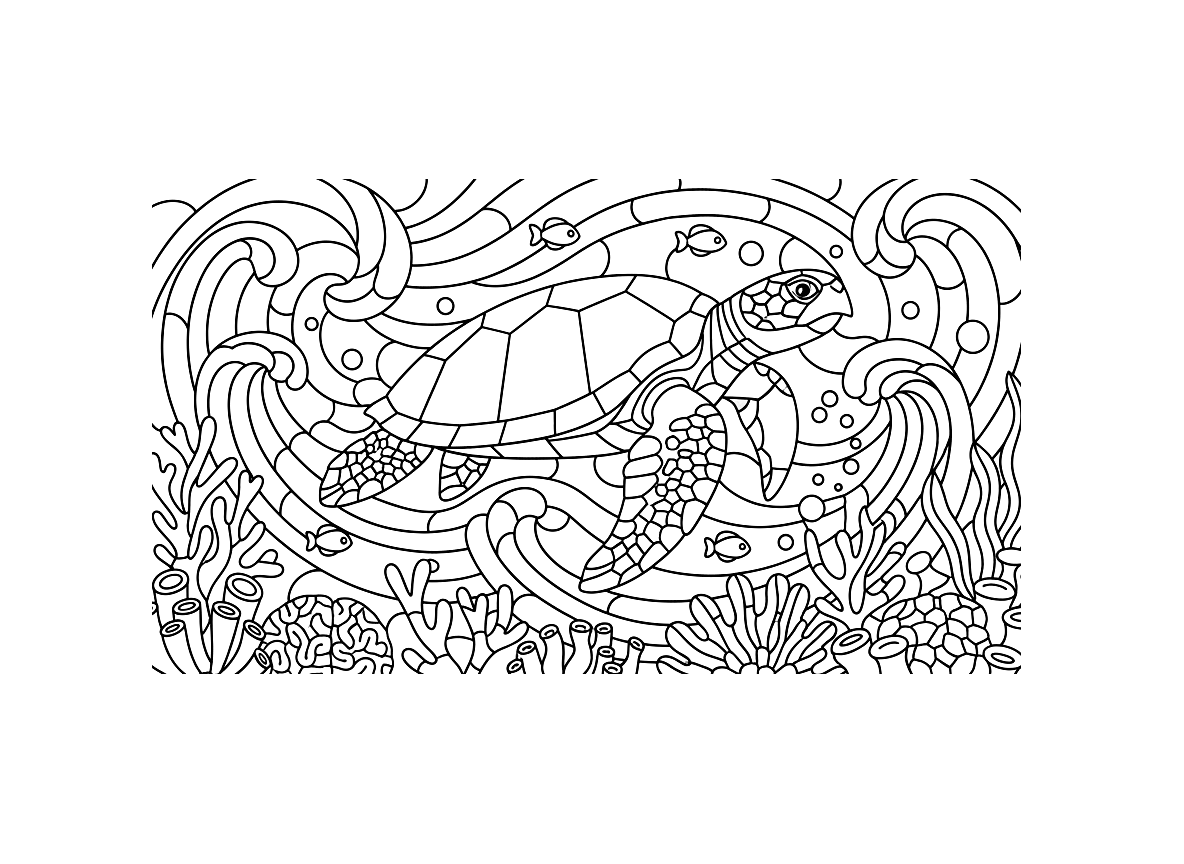
Stained glass (preschool, school-age) divides the drawing into bold sections separated by thick black lines, like a church window. Each section becomes its own little canvas to fill with color.
Mosaic (preschool, school-age) breaks the subject into small tile pieces, creating a distinctive look that is different from anything in a traditional coloring book.
Learning styles
Spot and color (school-age) hides six to ten instances of a subject inside a larger scene. The child has to find them all and then color the whole page — part hidden picture, part creative activity.
The right style at the right time
The app automatically shows only the styles that match your child’s age range. Toddlers see bold, dashed, classic, and cartoon. Preschoolers unlock manga, kawaii, chibi, stained glass, and mosaic. School-age kids get access to everything, including mandala, zentangle, and spot and color.
Styles are one of those small choices that make a big difference. The same prompt can produce a completely different coloring page depending on the style you pick. A dinosaur in cartoon style looks playful and fun. The same dinosaur in mandala style becomes a detailed, meditative project. Same subject, different experience.
Previous story
← Drawings From His World